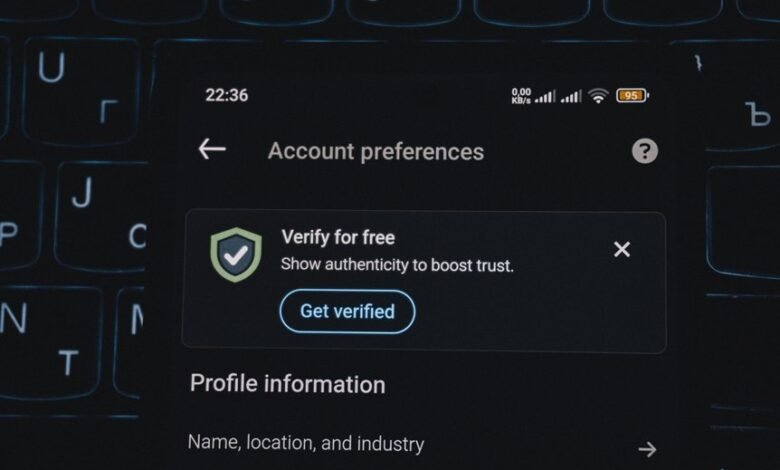
Analyzing verified caller profiles for 3509247210, 3491377702, 3333585238, 3889038730, and 3899663129 requires weighing authentic signals against markers that may mislead. The approach must cross-check carrier cues, app verifications, timestamps, caller history, and source alignment rather than relying on icons alone. Each number remains provisional until consistent provenance is established, with attention to red flags and corroborating evidence. The tension between markers and actual intent invites careful scrutiny before any engagement.
What Makes a Verified Caller Profile Trustworthy
Verified caller profiles derive trust from verifiable signals that demonstrate authenticity, consistency, and accountability. The analysis identifies Trust signals as core criteria, while Verification markers quantify reliability. Carrier nuances influence credibility through networked metadata, not surface appearance. App markers provide interface cues but must be corroborated. Skeptical appraisal avoids assumptions, demanding verifiable provenance and stable history to justify confidence in identity and intent.
How Verification Markers Work Across Carriers and Apps
How do verification markers function across different carriers and apps? Across platforms, verification markers serve as provisional signals rather than guarantees, guiding trust assessment while exposing inconsistencies.
Verification indicators vary in criteria and display, creating fragmented caller authenticity cues. Analysts must compare metadata, not rely on icons alone, because markers can mislead, lag, or be spoofed, undermining universal reliability.
Quick Steps to Validate the Five Numbers Before Answering
In validating a caller’s five numbers before answering, practitioners should follow a concise, evidence-driven sequence to minimize reliance on visual cues alone. The process treats each datum as provisional, invoking a verified caller status only after deliberate cross checks. Scrutinize call context, timestamps, and number patterns; discount anomalies promptly. This methodical approach preserves analytical restraint and supports confident, freedom-respecting verification.
Red Flags and Cross-Checks That Save Your Time
Red flags and cross-checks are essential filters before engaging with unfamiliar numbers; they quickly reveal inconsistencies that warrant caution. The analysis remains detached, focusing on verifiable signals rather than anecdote. A verified caller label can mislead if corroboration is lacking; cross checks—caller history, date, and source alignment—reveal mismatches. Discernment saves time, preserving autonomy and preventing misguided dialog.
Conclusion
In careful, calculated columns, clues converge: consistent cues, corroborated carriers, and cautious timestamps. Cross-checks chart trustworthy traits, while contradictory signals trigger cautious conclusions. Verified markers, though valuable, are not veto proofs, so profiles demand skeptical scrutiny: provenance, patterns, and prior contact history must align. Red flags rise when irregularities erupt or markers diverge. Ultimately, prudent profiling prioritizes plausible, proven provenance over persuasive purported proof, prompting prudent pauses before engagement with five numbers.