Buying a mountain property is as much an emotional decision as it is a practical one. The Smoky Mountains draw people in with layered blue ridges, quiet mornings, and a sense of escape that feels rare in modern life. Yet choosing the right property requires more than falling in love with a view. Smoky mountains homes for sale vary widely in location, accessibility, rental potential, and long-term value. A thoughtful approach helps buyers balance lifestyle goals with financial considerations, ensuring the home remains both enjoyable and sustainable.
The region surrounding Great Smoky Mountains National Park offers a mix of secluded cabins, modern builds, and investment properties. Each option comes with tradeoffs. Some buyers prioritize privacy and natural surroundings, while others want proximity to attractions and services. Understanding what matters most to you is the first step toward narrowing the search and avoiding decisions driven purely by impulse.
Defining Lifestyle Goals and Property Purpose
Every successful purchase begins with clarity about how the home will be used. Smoky mountains homes for sale attract a diverse group of buyers, from retirees seeking tranquility to investors targeting vacation rental income. The intended purpose influences nearly every aspect of selection, including layout, size, and location.
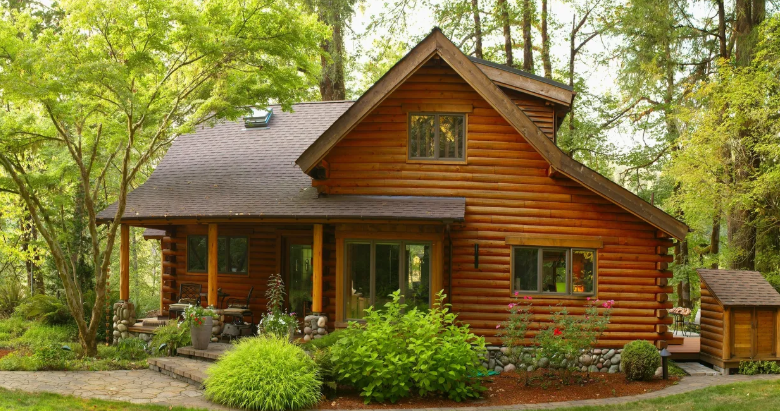
If the home is meant to be a personal retreat, privacy and scenery may outweigh convenience. Buyers often gravitate toward wooded lots or elevated properties that provide expansive views. These homes offer a strong sense of escape, though they may require additional planning for maintenance and accessibility. Gravel roads, steep driveways, and seasonal weather conditions can affect day-to-day living, so evaluating these factors early prevents surprises.
For those focused on rental income, guest appeal becomes a priority. Properties near high-traffic destinations like Gatlinburg or Pigeon Forge tend to attract steady visitor interest. These areas provide access to dining, entertainment, and outdoor activities, making them appealing to short-term renters. A property that blends mountain charm with modern comfort often performs well in competitive rental markets.
Lifestyle planning should also include future flexibility. A home that suits today’s needs should still feel practical years down the line. Extra bedrooms, adaptable living spaces, and durable materials add longevity to your investment. Buyers who think ahead often find their purchase continues to meet evolving priorities without requiring major renovations.
Evaluating Location, Access, and Infrastructure
Location shapes both daily experience and long-term value. Smoky mountains homes for sale range from remote hideaways to neighborhoods with shared amenities. While isolation can be appealing, access to utilities, emergency services, and reliable roads deserves careful consideration.
Mountain terrain introduces unique logistical challenges. Steep slopes may require specialized construction, and drainage systems must handle seasonal rainfall. Buyers should assess how the property interacts with its environment rather than focusing solely on aesthetics. A beautiful site becomes far more valuable when paired with sound infrastructure.
Accessibility affects more than convenience. Winter weather, heavy rain, or fallen debris can temporarily limit travel in certain areas. Properties with maintained road access and dependable utilities reduce disruption and add peace of mind. These practical elements may not be as visually striking as a panoramic view, yet they significantly influence livability.
Community context matters as well. Some buyers prefer established developments that offer shared maintenance or amenities, while others seek complete independence. Understanding neighborhood dynamics helps set expectations about privacy, upkeep responsibilities, and long-term planning.
Balancing Scenery with Practical Living
Scenic appeal is a major draw in mountain real estate, but practical living should never be secondary. Homes perched on ridges or surrounded by dense forest offer breathtaking surroundings, yet they must still support everyday comfort. Proper grading, erosion control, and foundation stability are critical in mountainous terrain.
Buyers should also examine how the home integrates with natural light and ventilation. Orientation affects energy efficiency and interior comfort. A property designed to work with its environment often requires less ongoing maintenance and delivers a more enjoyable living experience.
Outdoor space deserves equal attention. Decks, porches, and viewing areas extend usable living space and maximize the connection to nature. These features enhance both personal enjoyment and rental appeal, making them valuable additions when evaluating options.
See also: LLC Business Loan: Funding Your Business Growth
Financial Considerations and Long-Term Value
A mountain property should be evaluated with the same financial discipline as any major investment. Smoky mountains homes for sale vary in price based on location, amenities, and accessibility. Buyers benefit from comparing similar properties to understand market positioning and realistic appreciation potential.
Operating costs are another essential factor. Mountain homes may require specialized maintenance, including roof inspections, pest control, and seasonal weather preparation. Budgeting for these expenses ensures the property remains an asset rather than a burden.
Insurance coverage deserves particular attention. Terrain, weather exposure, and construction materials influence policy requirements. Buyers should confirm that coverage aligns with both environmental risks and lender expectations. Transparent financial planning helps avoid unexpected strain after purchase.
Investment-minded buyers often analyze rental demand and occupancy trends. A property that appeals to visitors can offset ownership costs while building equity. Even buyers focused on personal use may appreciate the option to generate occasional income. Flexibility strengthens long-term value and broadens the property’s potential.
Market timing also plays a role. Regional demand fluctuates with travel trends, economic conditions, and seasonal interest. Working with knowledgeable professionals familiar with mountain real estate provides insight into pricing patterns and negotiation strategies. Informed decisions protect both lifestyle satisfaction and financial stability.
Choosing the right mountain property is ultimately about aligning vision with reality. Smoky mountains homes for sale offer remarkable variety, but success lies in balancing emotional appeal with thoughtful evaluation. When buyers define their goals, assess location carefully, and plan financially, they position themselves for a purchase that delivers lasting enjoyment. A well-chosen home becomes more than a scenic escape; it becomes a reliable foundation for years of comfort, adventure, and value.