The Health Topic Exploration Portal on Intense Menstrual Flow offers a concise explanation of heavy bleeding, including a practical threshold—roughly 80 mL per cycle—and durations that extend beyond seven days. It covers likely causes, from hormonal and clotting factors to structural conditions, with an emphasis on user-centered interpretation. The page also outlines assessment, care considerations, daily management, and the broader impact on well-being, inviting readers to consider their options before exploring further guidance.
What Exactly Is Heavy Menstrual Bleeding (HMB) and How It Feels
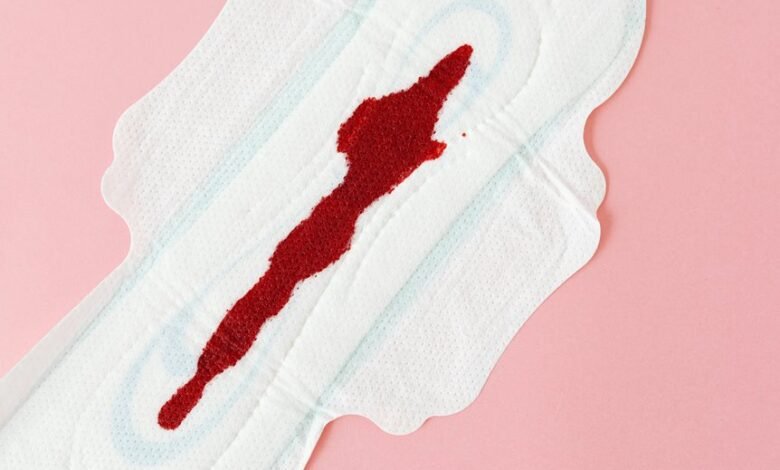
Heavy menstrual bleeding (HMB) is defined clinically as bleeding that regularly exceeds normal expectations in duration or volume, typically characterized by losing more than 80 milliliters of blood per cycle or experiencing menses lasting more than seven days.
The discussion centers on heavy flow experiences, describing menstrual sensations without attributing them to causes, unrelated to assessment, and highlighting user-centered freedom in interpretation.
Common Causes and Risk Factors Behind Heavy Flow
There are multiple factors that can contribute to heavy menstrual flow, ranging from hormonal imbalances and structural conditions to lifestyle and medical history.
Heavy flow results from an interplay of ovulatory disorders, fibroids, adenomyosis, thyroid issues, and coagulation variations.
Menstrual symptoms and painful cramps commonly accompany these risks, while chronic iron deficiency may arise from persistent loss impacting overall energy and function.
How to Assess Your Symptoms and When to Seek Care
Assessing symptoms of heavy menstrual flow involves a structured appraisal of bleeding patterns, associated symptoms, and medical history to determine when urgent or routine care is warranted.
How to assess symptoms relies on noting duration, quantity, clots, fatigue, dizziness, and pain.
When to seek care depends on heavy, lasting bleeding or signs of anemia; what exactly prompts urgent evaluation may include dizziness or dehydration.
Practical Ways to Manage Heavy Flow Day to Day
Practical strategies for managing heavy menstrual flow day to day focus on proactive planning, symptom monitoring, and targeted self-care. The overview emphasizes evidence-based routines, accessible practices, and personal autonomy. Practical measures include timely use of menstrual products, breathable comfort, hydration, and rest. Heavy stimulation awareness informs pacing, while simple behaviors support flow reduction and symptom control, enabling consistent daily functioning and freedom.
Conclusion
Heavy menstrual bleeding (HMB) is defined by clinically meaningful blood loss and prolonged menses, often over 80 mL and longer than seven days. It reflects a spectrum of hormonal, coagulation, and structural causes, with personal impact varying by daily life and well-being. Proper assessment, timely care, and practical management strategies can reduce disruption and improve quality of life. Like a tide that ebbs and flows with its own rhythm, awareness and evidence-based care help restore balance and confidence in daily activities.